Polyester Multileg Slings
What is a Polyester Webbing Sling?
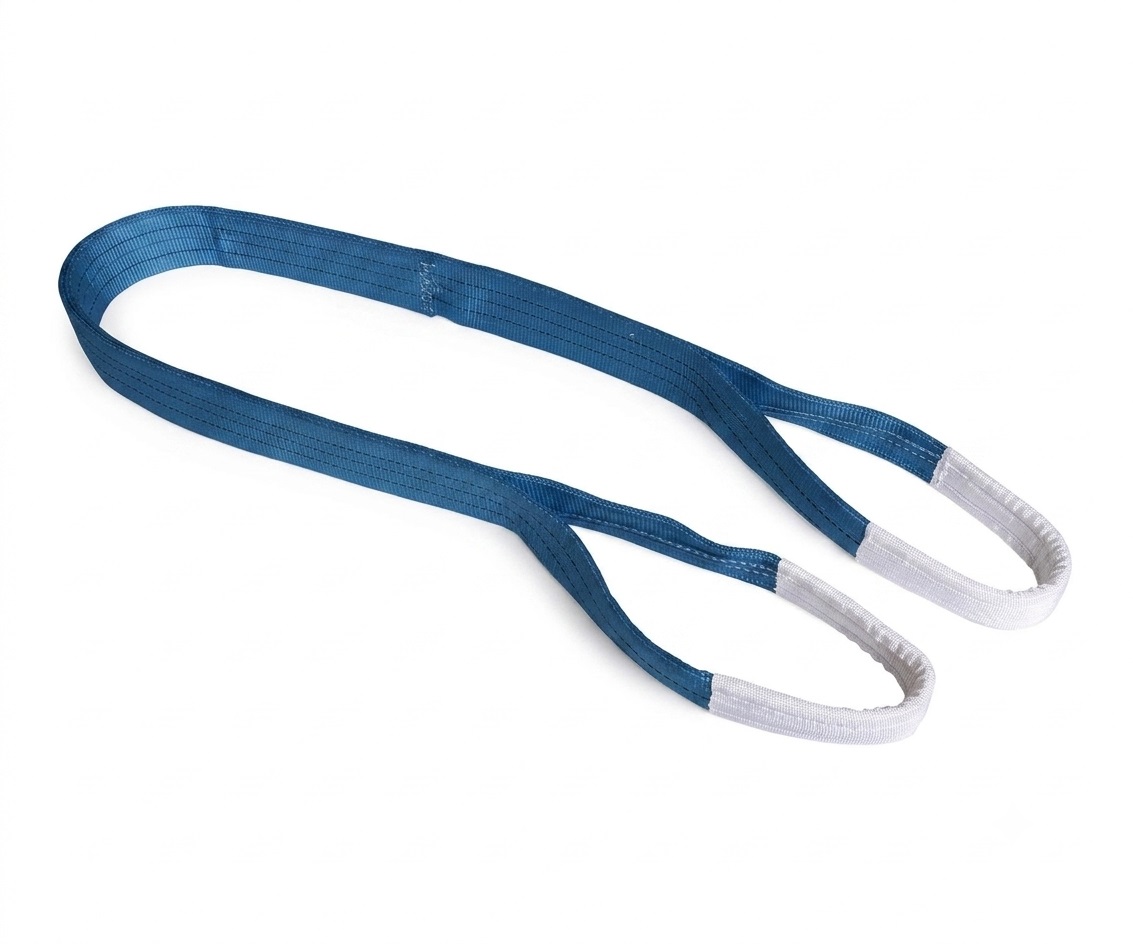
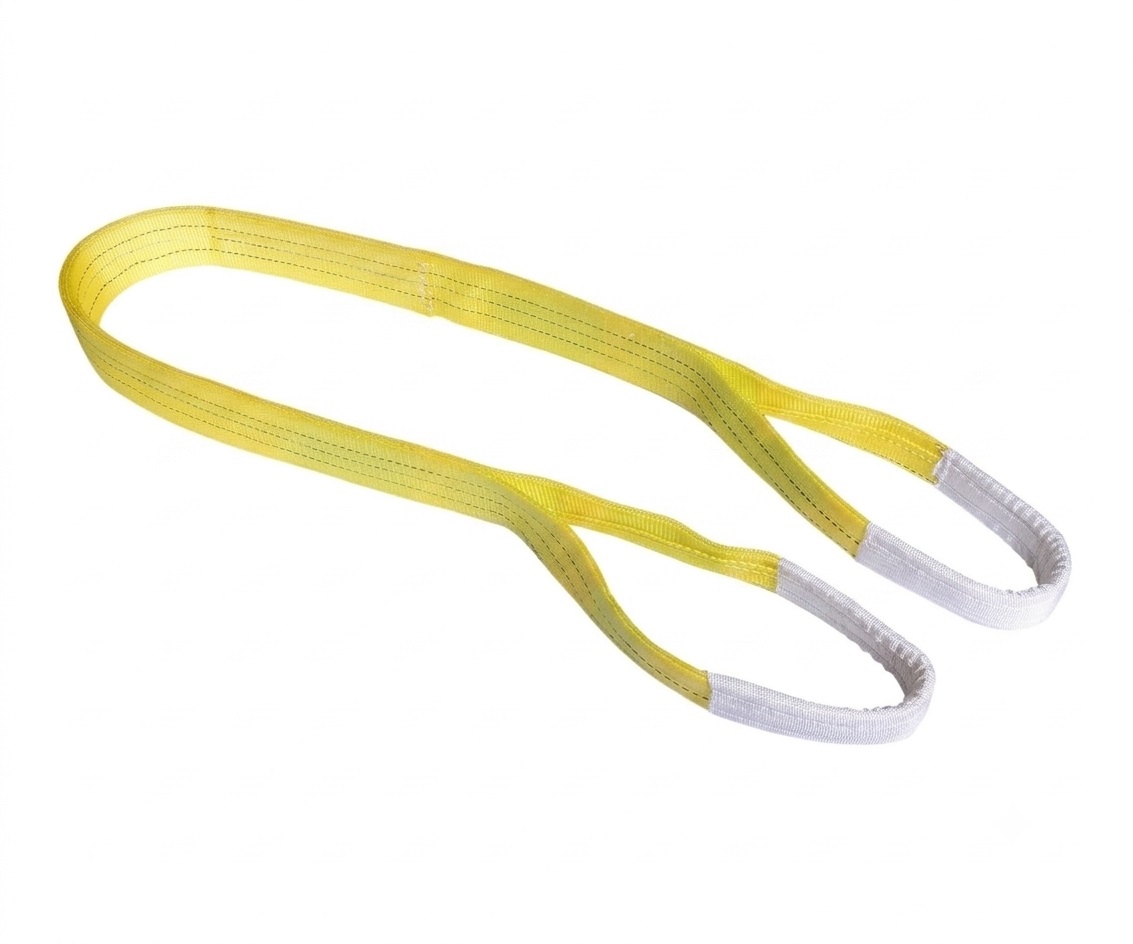
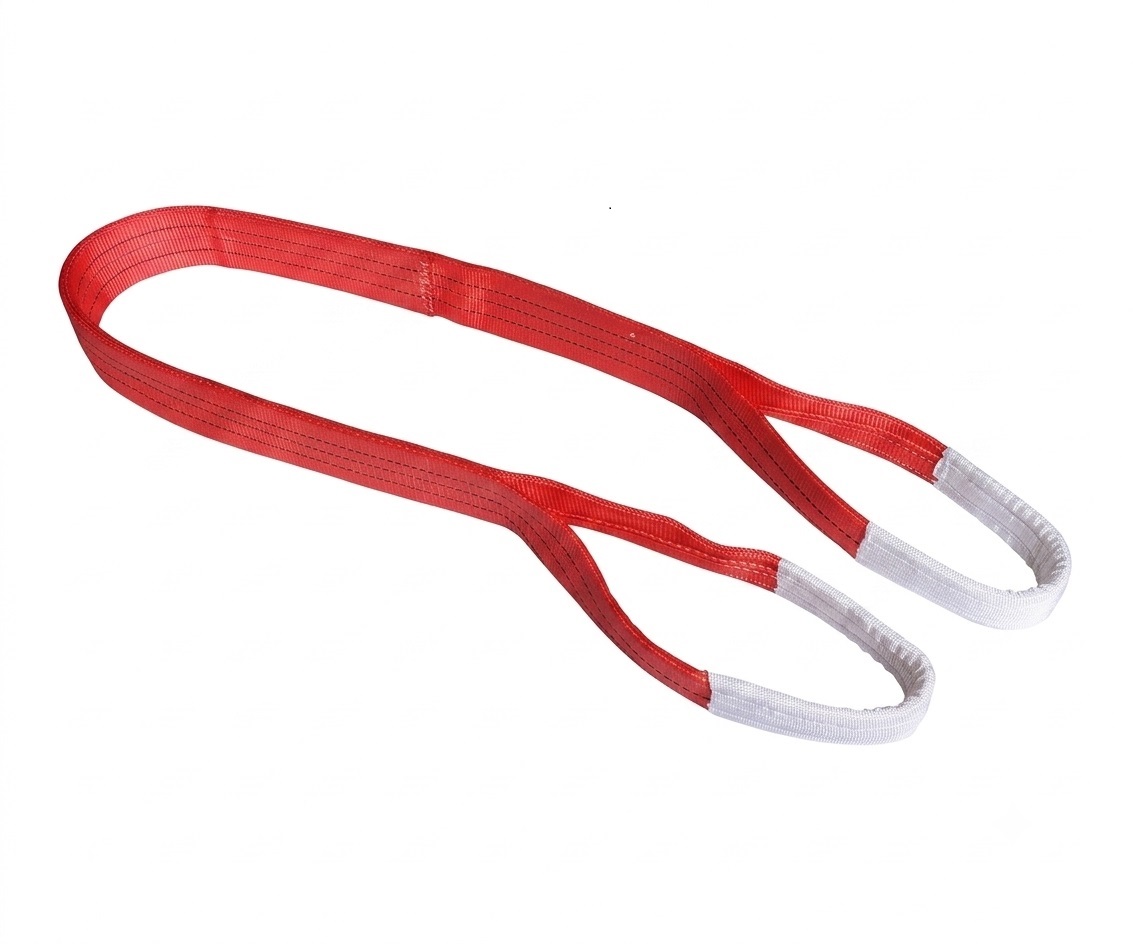
Apex Global WLS ISO APPROVED provides - A polyester webbing sling (commonly known as a flat web sling or duplex sling) is a lightweight, flexible, and high-strength lifting strap fabricated from woven industrial polyester fibers. Unlike rigid steel chains or wire ropes, webbing slings are designed to lift delicate, polished, or easily damaged loads without scratching or crushing the surface material.
These slings are typically manufactured in Duplex (2-layer) or Simplex (1-layer) configurations, featuring reinforced eyes (loops) at both ends for attachment to crane hooks or shackles. To ensure safety and quick identification on crowded worksites, they are explicitly color-coded according to international standards (like EN 1492-1) to signify their Working Load Limit (WLL).
Technical Features & Color Coding
- Synthetic Polyester Material: Woven from high-tenacity, continuous filament polyester yarn, maintaining a standard 6:1 or 7:1 safety factor depending on regional regulations.
- Reinforced Lifting Eyes: The loop ends are reinforced with heavy-duty fabric sleeves to protect the sling from premature wear and tear at the crane hook connection point.
- Low Elongation: Polyester naturally exhibits low stretch (typically less than 3% to 4% at full capacity), minimizing load bounce during transit.
- Tonnage Color Coding: The industry uses standard color variations for instant visual load verification:
 Green: 2 Ton capacity
 Yellow: 3 Ton capacity
 Red: 5 Ton capacity
 Orange: 10 Ton or greater capacity
- Lightweight Profile: Weighs significantly less than chain or wire rope equivalents, reducing operator fatigue during repetitive rigging tasks.
Common Uses and Applications
Polyester webbing slings are heavily relied upon in industries where protecting the surface finish of the load is a priority:
- Engineering & Precision Manufacturing: Moving machined steel shafts, rotors, polished tubes, and calibrated industrial valves.
- Logistics & Warehousing: Loading and unloading crated machinery, smooth pallets, and fragile cargo boxes.
- Automotive & Aerospace Assembly: Hoisting engines, luxury boat hulls, aircraft components, and fully painted chassis frames.
- Construction & Infrastructure: Handling smooth pre-cast concrete pillars, marble slabs, fiberglass tanks, and sensitive PVC pipes.
- Glass & Marble Processing: Lifting large glass panes or polished granite slabs using specialized wide-body configurations.
Key Advantages
- Surface Protection: Soft, flat profile evenly distributes the lifting pressure over a wide surface area, entirely eliminating the scratches, gouges, or dents caused by metal chains.
- Exceptional Chemical Resistance: Naturally resistant to mineral acids, oils, grease, organic solvents, and water absorption (preventing rot or mildew).
- Spark-Free Handling: Because they contain no metal, they are highly spark-resistant and ideal for explosive, flammable, or volatile environments (like oil refineries or chemical plants).
- Cost-Effective: Significantly lower upfront cost compared to alloy chain slings or wire rope assemblies of similar capacities.
- Easy Storage & Handling: Flexible enough to be folded, packed into tight spaces, and carried around the job site by a single rigger without requiring mechanical assistance.
Standard Rigging Hitch Configurations
The load capacity of a webbing sling varies dramatically based on how it is wrapped around the load. Every sling is tagged with capacity limits for these three primary hitches:
| Hitch Configuration | Visual Setup | Capacity Multiplier |
| Vertical Lift | A straight vertical connection from the crane hook to the load. | 100% of rated capacity |
| Choker Hitch | The sling wraps around the load and chokes back through one of its own eyes. | Reduced to 80% of rated capacity |
|
| Basket Hitch | The sling cradles the load from underneath, with both eyes hooked into the crane. |
| Increases up to 200% of rated capacity (if the legs remain vertical) |
|
⚠️ Critical Safety Note: Synthetic webbing slings are highly susceptible to cutting or friction melting when wrapped around sharp metal edges. They must always be paired with specialized wear pads, polyurethane corner guards, or protective sleeves when handling items with raw or unpolished corners.
Enquiry Now