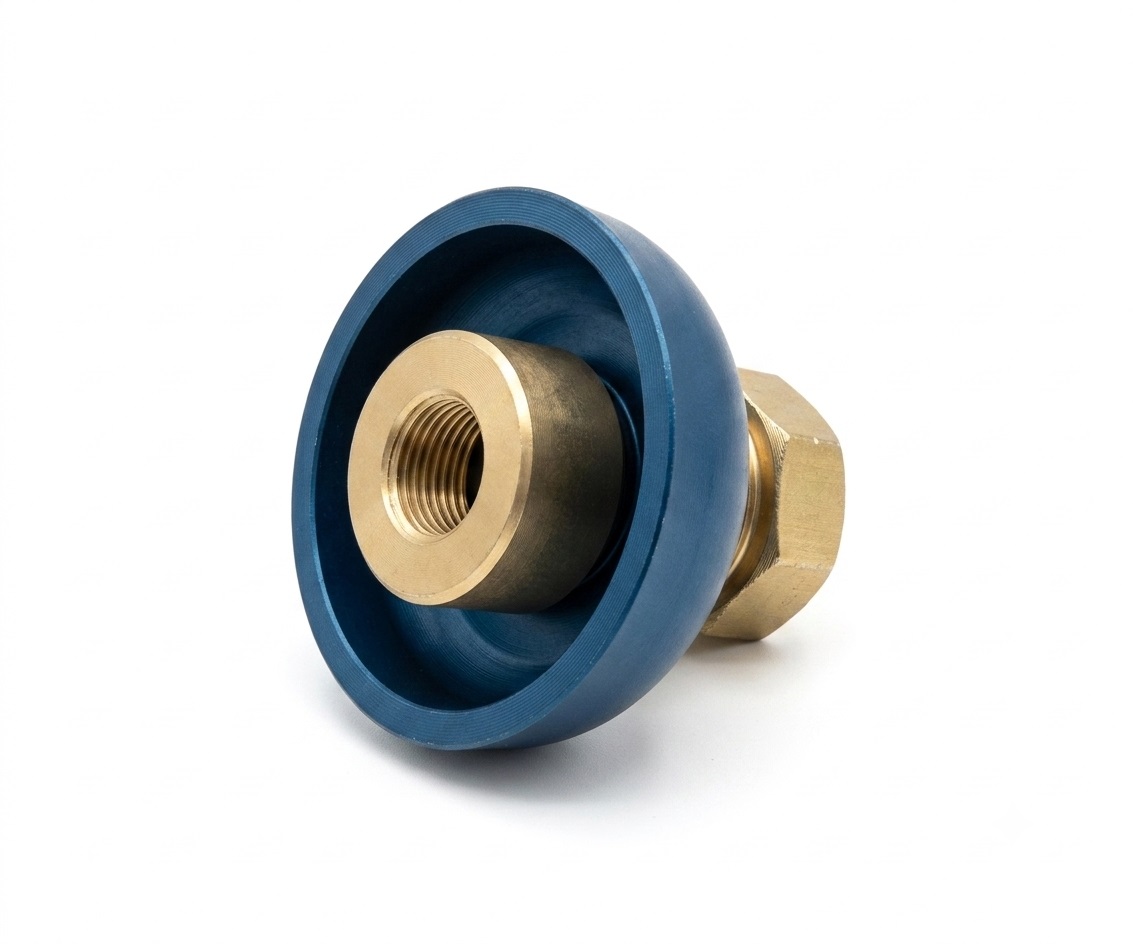
AGL007-Rail Clamp
AGL007-Rail Clamp:
AGL007-Rail
Clamp are essential mechanical devices used in industrial and infrastructure
settings to secure rails firmly to a supporting structure. They function as a
critical connection point that ensures track stability and safety.
Description
Rail
clamps are high-strength fastening components typically manufactured from low
carbon steel, alloy steel, or high-grade cast iron using forging or casting
processes. They are engineered to provide a robust grip on rail sections,
preventing displacement and misalignment caused by vibrations, heavy loads, or
thermal expansion. Depending on the application, they may be designed for
permanent, rigid fixation or to allow for controlled movement.
Uses
- Crane Rail Systems: Widely used in EOT
(Electric Overhead Traveling) cranes, gantry cranes, and other heavy-duty
lifting systems to keep rails aligned and stable.
- Railway Infrastructure: Applied in track laying and
maintenance to secure rails to sleepers or base plates, maintaining the
required gauge distance.
- Material Handling: Specialized "rail
lifting clamps" are used for the safe horizontal transport and
positioning of individual or multiple steel rails in rail yards and
construction sites.
- Industrial Stability: Used in shipyards, steel
mills, and power plants to ensure the long-term reliability of heavy-duty
rail tracks.
Key Features
- Diverse Mounting Options: Available in bolted or
welded configurations to suit both modular and permanent installations.
- Corrosion Resistance: Many clamps feature
protective finishes such as hot-dip galvanization or high-quality paint to
withstand harsh environments and prevent rust.
- Mechanical Versatility: Designs range from fixed
(rigid) clamps for maximum stability to spring-loaded options that absorb
shock and vibration.
- Precision Engineering: Manufactured to meet
international standards (such as DIN or AREAM), ensuring compatibility
with various standard rail sections (e.g., UIC60, UIC54).
Advantages
- Enhanced Safety and
Stability:
They prevent rail movement and displacement, which significantly reduces
the risk of operational hazards.
- Reduced Maintenance: By ensuring proper rail
alignment and distributing loads evenly, they minimize wear and tear on
both the rails and the crane wheels, leading to less downtime.
- Thermal Management: Certain designs allow for
controlled expansion and contraction of rails, which prevents structural
damage in fluctuating temperatures.
- Cost-Effectiveness: Their robust construction
and long service life reduce the frequency of replacements, making them a
cost-efficient solution for industrial rail infrastructure.
Enquiry Now