In the industrial equipment sector, a Festooning System is the unsung hero of crane and material handling operations. For your business, Apex Global Weld Lift& Safety Solutions, understanding this system allows you to offer complete "turnkey" power and control solutions for your clients’ lifting equipment.
What is a Festooning System?
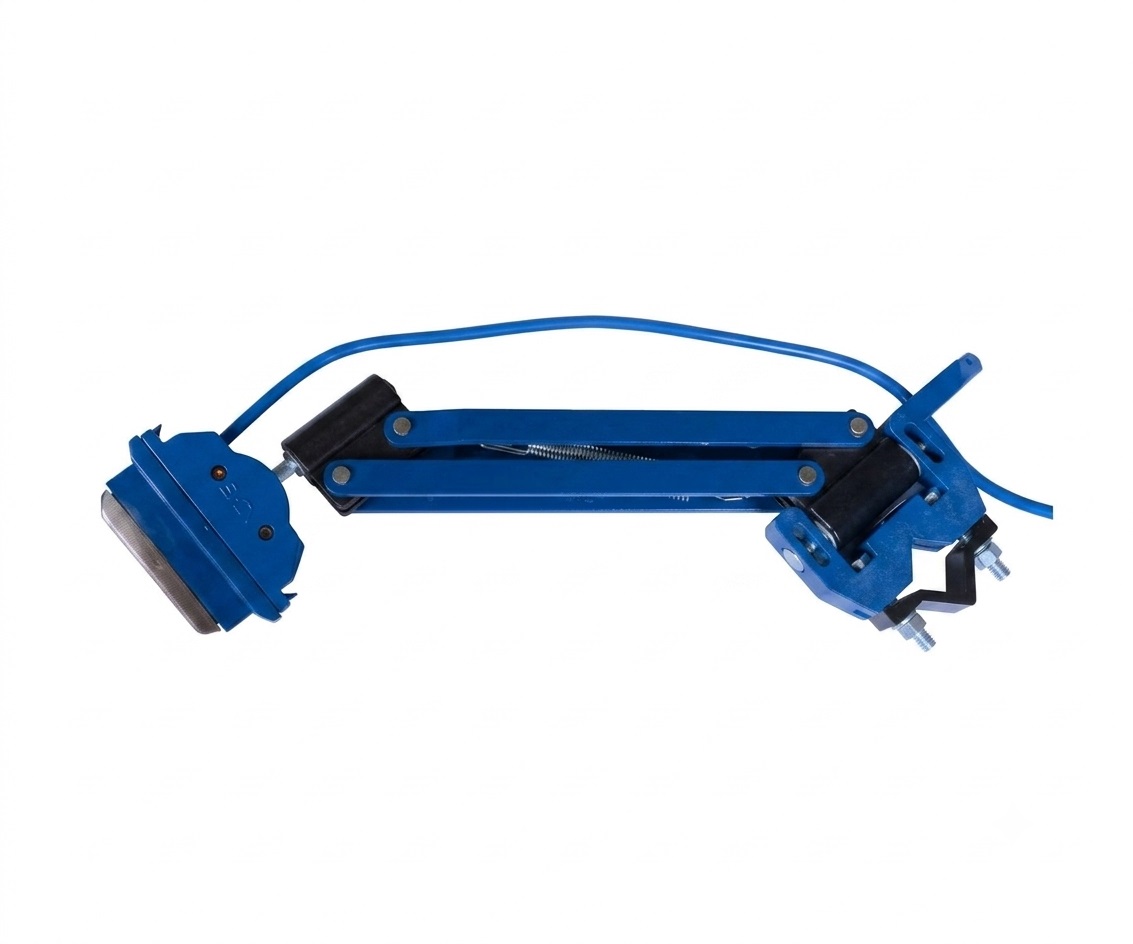
A Festooning System is a cable management method used to supply power and control signals to moving machinery—most commonly bridge cranes, gantry cranes, and hoists.
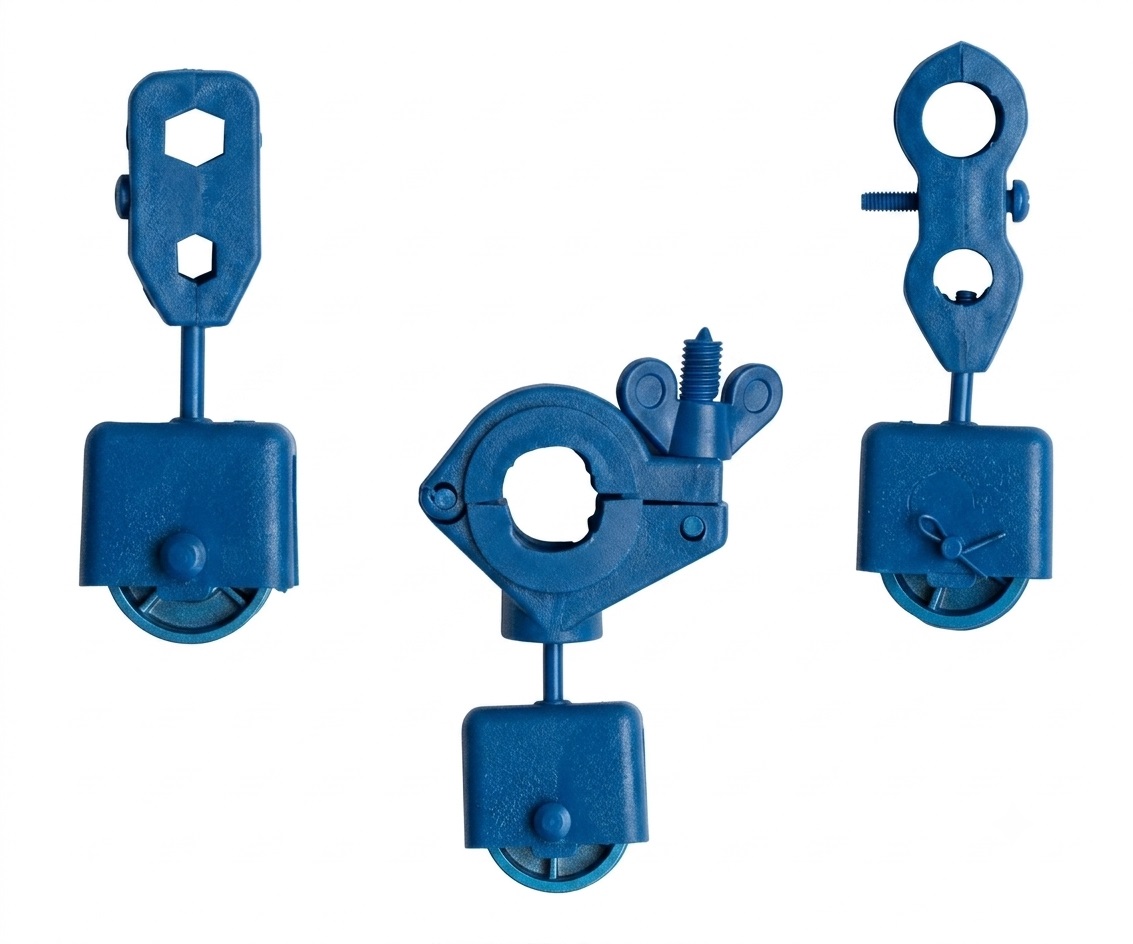
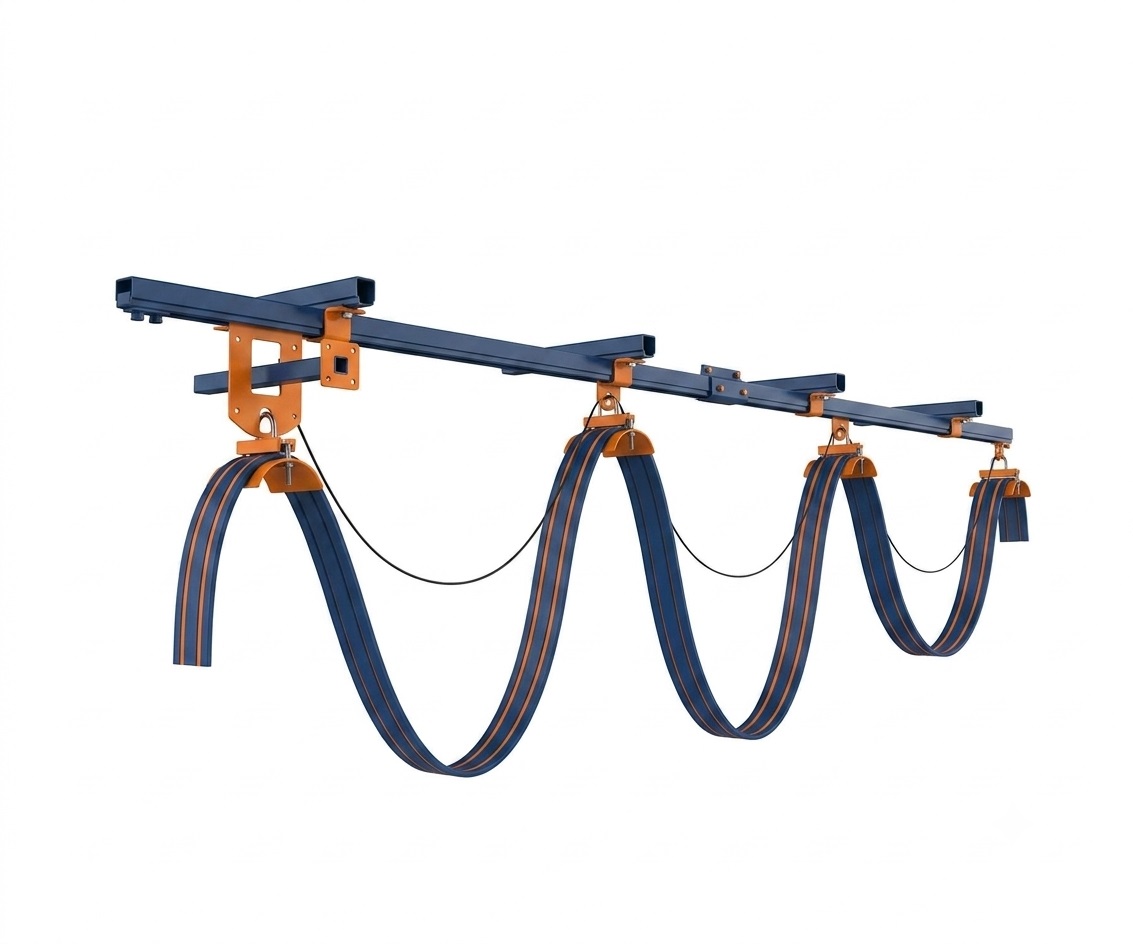
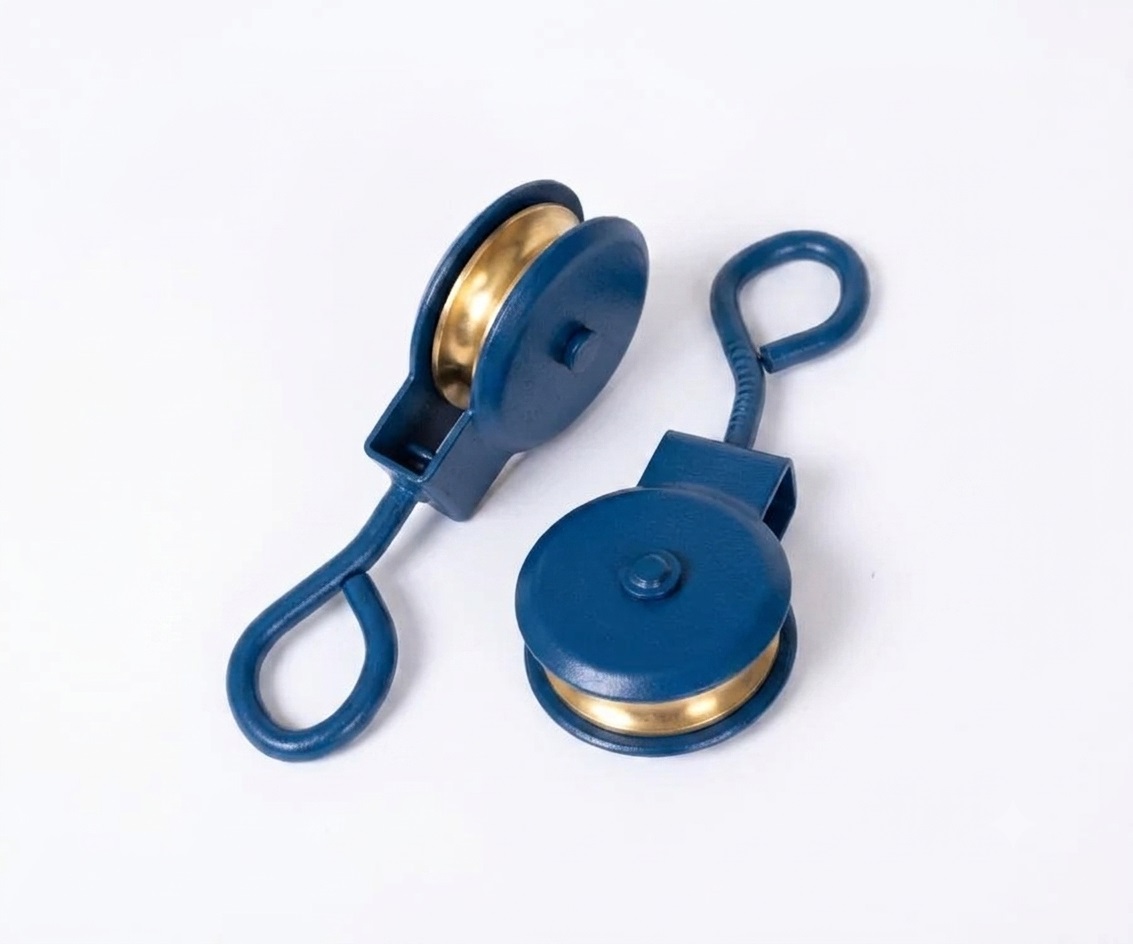
Instead of dragging cables on the floor or leaving them exposed, the cables are suspended from a series of mobile trolleys that run along a track (often a C-rail). As the crane or machine moves, the trolleys slide, and the cable folds up neatly like a curtain (or "festoon").
Primary Applications & Where It Is Used
- Overhead Bridge & Gantry Cranes: The most common application for power supply to the hoist/trolley.
- Transfer Cars & Conveyors: Powering equipment that moves along a fixed rail.
- Port & Shipyard Equipment: Handling high-power supply cables in outdoor, harsh environments.
- Steel Mills & Manufacturing Plants: Where cables must be protected from extreme heat, dust, and corrosive materials.
Technical Details (Load Capacity vs. WLL)
- In festooning, we do not typically use the term "Working Load Limit" (WLL) in the same way we do for a hook, because it isn't lifting a dead weight. Instead, we use Load Capacity and Weight Rating.
- Trolley Load Capacity: The maximum weight (cable + hose + cable clamp) that a single trolley can support without deforming the track.
- Track Capacity: The total load the C-rail or I-beam track can hold across its length.
- Cable Weight Management: This is the most critical calculation. You must ensure the chosen system can handle the total weight of the cable bunch being suspended.
Key Advantages
- Cable Protection (Longevity): The #1 reason clients buy festoons. It prevents cables from dragging, tangling, or kinking. This drastically reduces downtime caused by broken or shorted power cables.
- Safety: Keeps the floor clear of "trip-and-drag" cables, reducing workplace accidents.
- Reliability: Unlike "cable reels" (which have springs that can break), festoon systems are mechanical and gravity-based, making them extremely low-maintenance.
- Customizable: Systems can be scaled from a small 2-meter hoist path to a 100+ meter factory-wide gantry crane rail.